Hogs
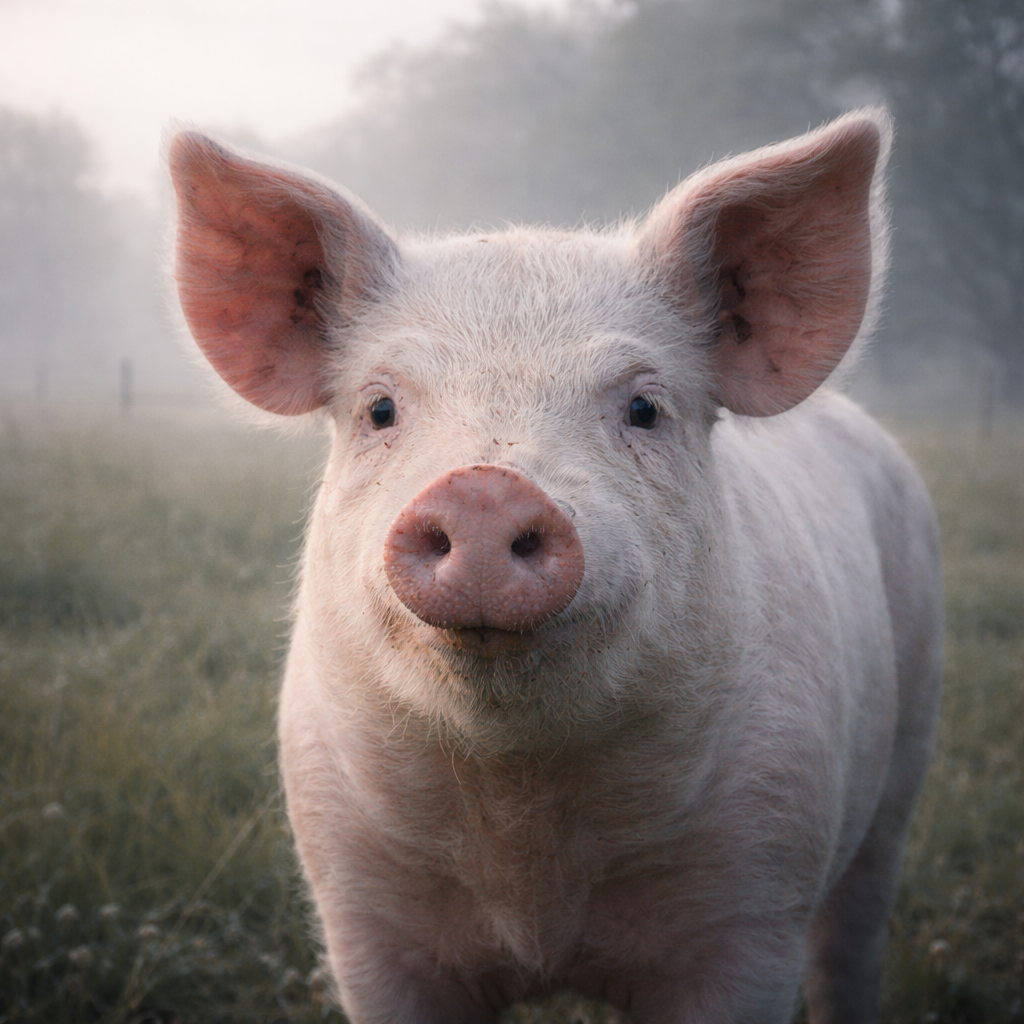
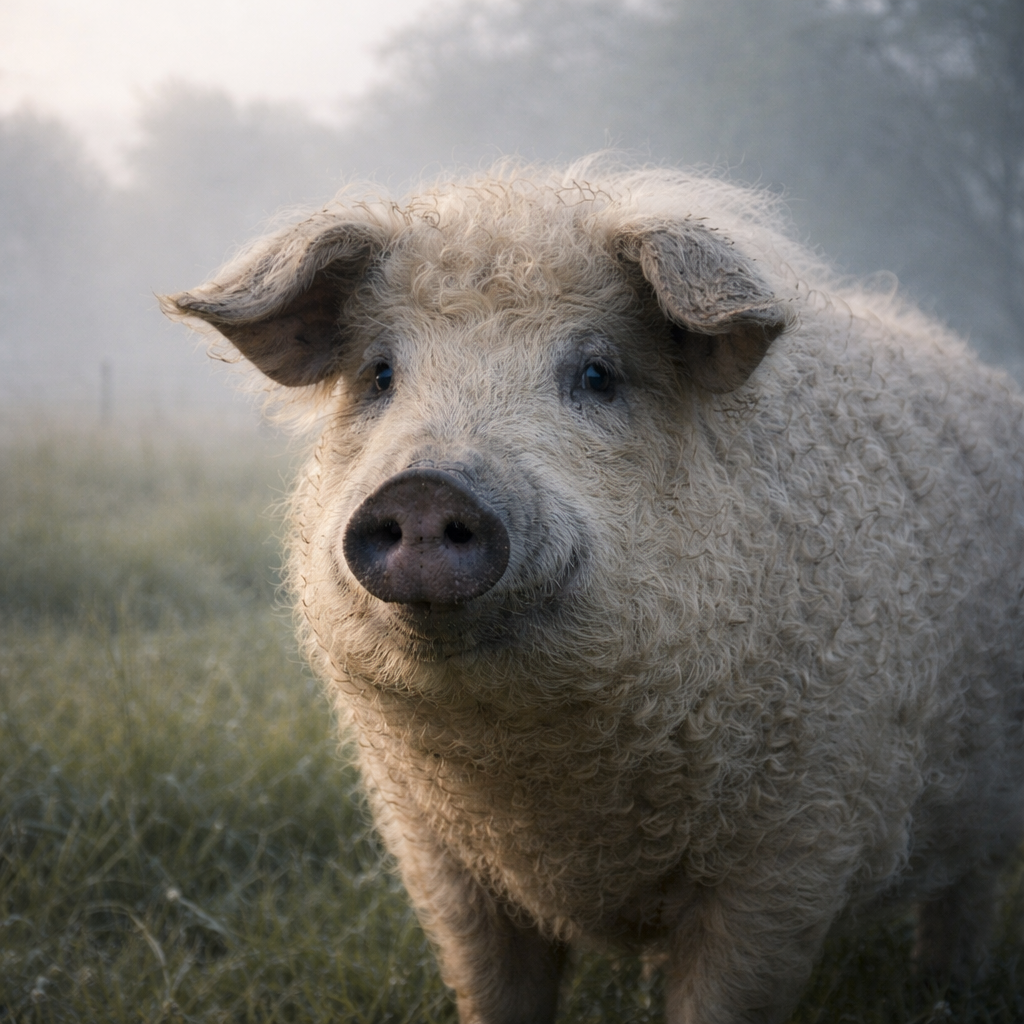
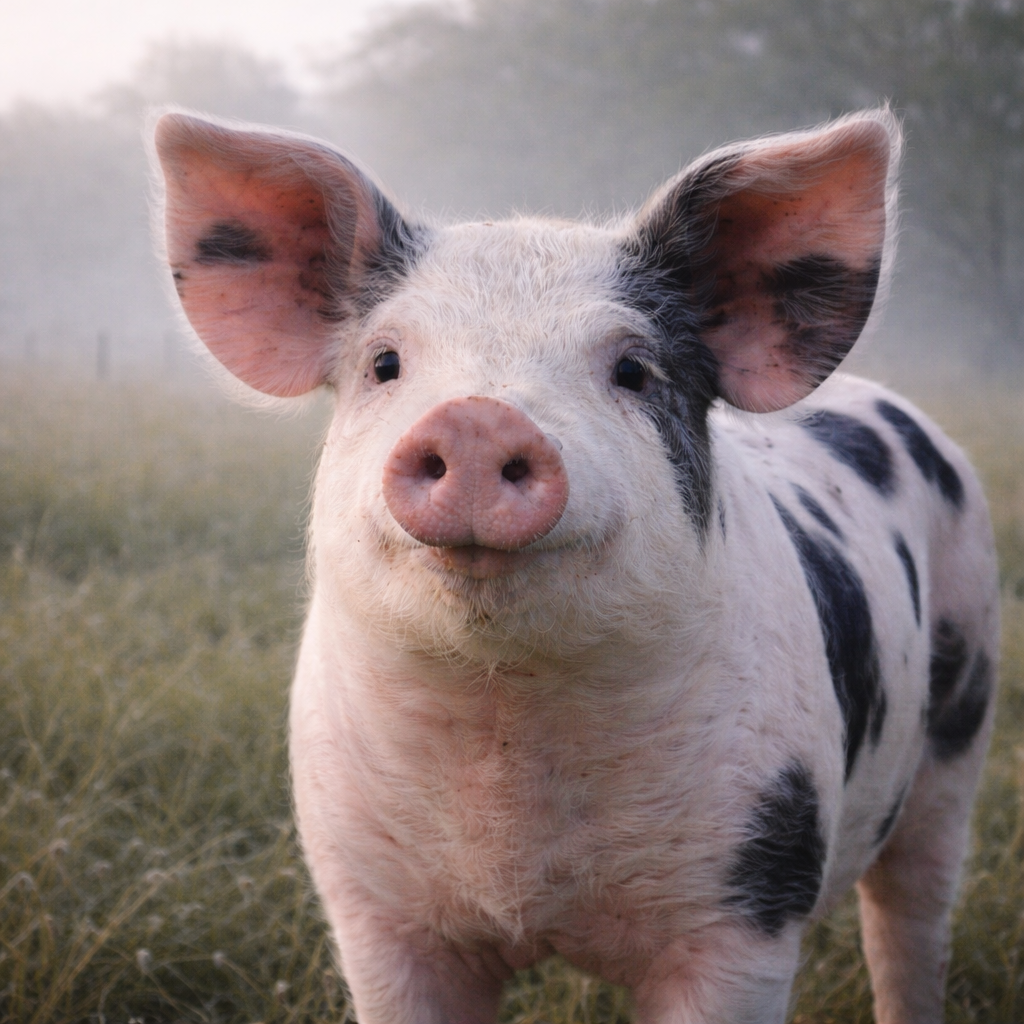
Hogs at Grey Barn Farm are kept in small, intentional groups with a primary focus on breeding stock rather than continuous meat production. The herd includes Mangalitsa and Landrace hogs, breeds selected for their hardiness, maternal reliability, and suitability for low-intensity management. Animals are evaluated for long-term function, not short-term output, with breeding decisions guided by temperament, structure, and adaptability.
Management emphasizes containment, observation, and timing. Hogs are given space appropriate to their size and behavior, with systems designed to minimize stress, prevent overuse of land, and allow for recovery. Rather than maintaining hogs on permanent sacrifice areas, their presence is planned and limited to avoid unnecessary damage to surrounding pasture and soil.
In select, small-scale applications, hogs are used as working animals to disturb and turn soil in areas such as new garden plots. This work is carefully controlled in both duration and location, recognizing the hog's natural rooting behavior while preventing broader compaction or erosion. When used appropriately, this approach reduces reliance on mechanical tillage and integrates animal behavior into land preparation in a deliberate way.
Hog keeping at Grey Barn Farm reflects a broader philosophy of restraint and purpose. Animals are not asked to perform beyond their nature, and land is not asked to absorb more pressure than it can recover from. By aligning breed choice, scale, and management with realistic goals, hogs remain a functional part of the farm system rather than a disruptive one.
For those interested in how we care for hogs day to day: We maintain a separate site that documents our hog routines, housing, feeding, observation, and record-keeping in our own setting. You can read more here.