Bees
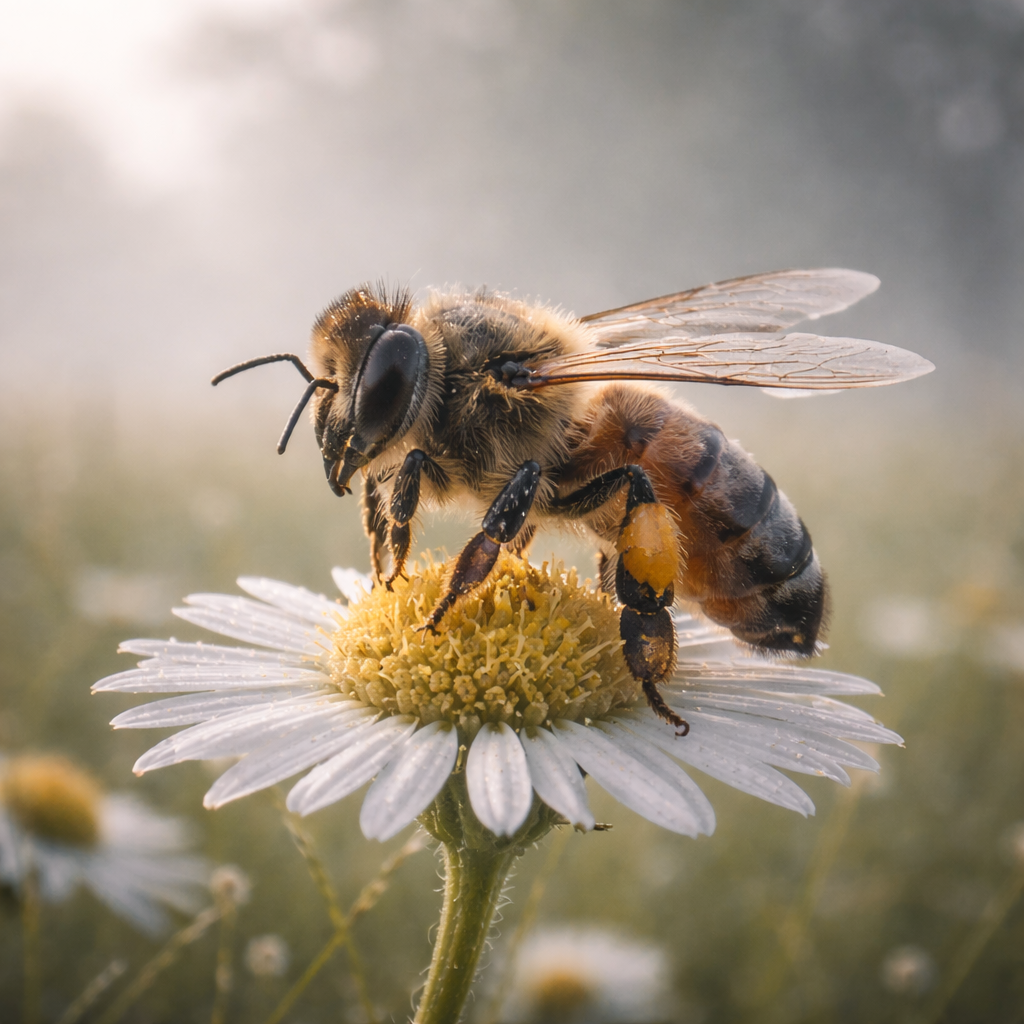
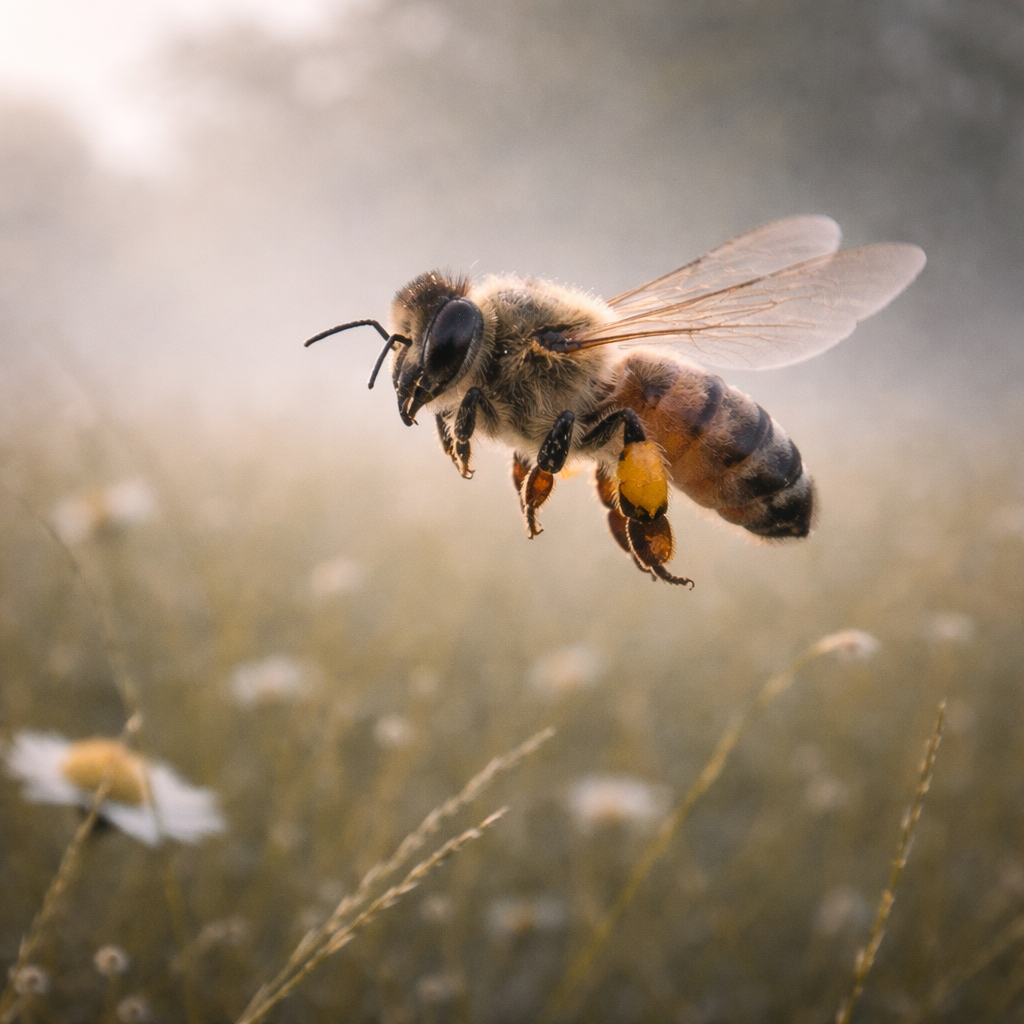
Bees at Grey Barn Farm are managed in multiple apiaries with an emphasis on colony health, seasonal balance, and integration with surrounding land. Hives are maintained at a scale that allows close observation and responsive management, with decisions guided by weather patterns, forage availability, and colony condition rather than fixed production targets.
Honey, comb honey, and beeswax are harvested for household use. Wax is often used for candle making and other practical applications, returning hive products directly into everyday farm life. Extraction is timed and limited to avoid unnecessary stress on colonies, with adequate stores left to support overwintering and early spring buildup.
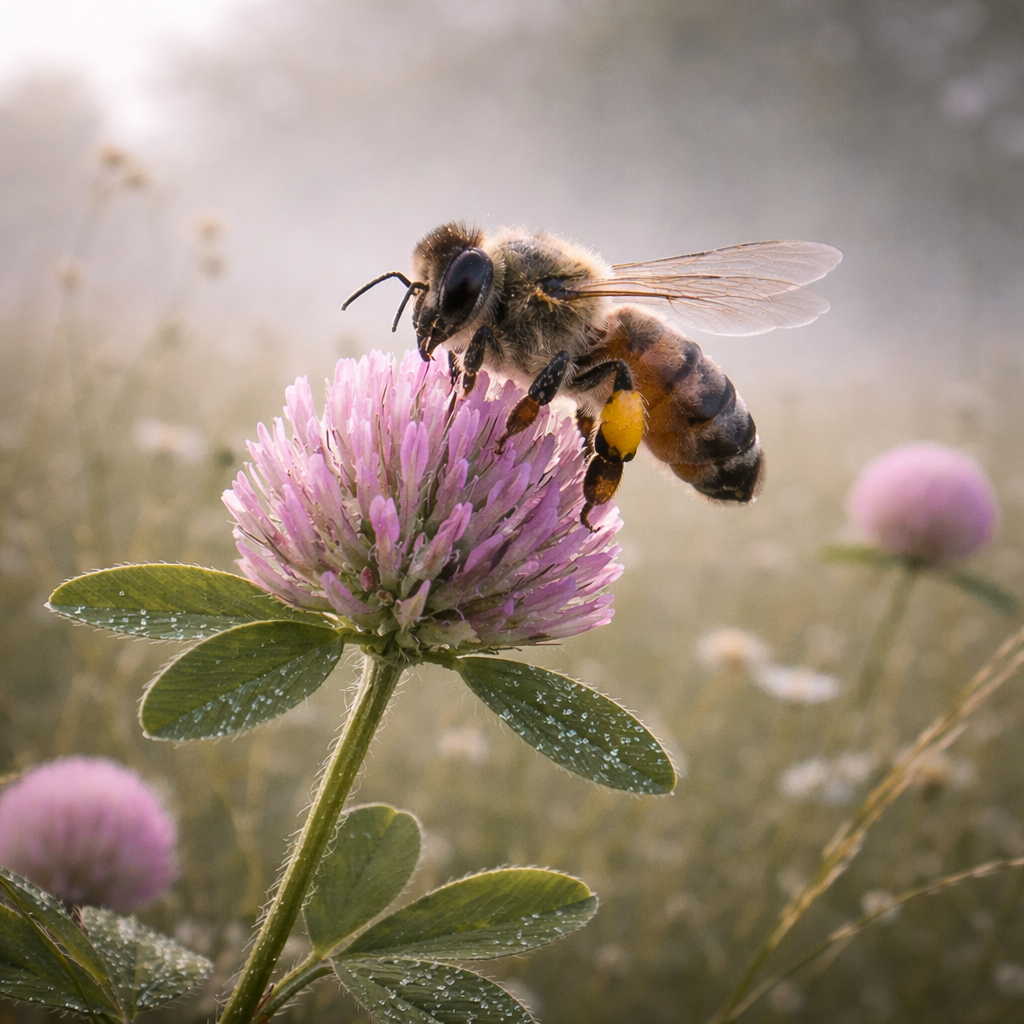
Forage availability is treated as a central component of bee management. Each spring, several acres of clover and mixed wildflowers are planted to supplement existing pasture and natural bloom cycles. These plantings extend forage diversity and reduce reliance on short, intense nectar flows, supporting more stable colony development across the season.
Bee keeping at Grey Barn Farm is approached as a land-linked practice rather than a stand-alone enterprise. Hives, forage plantings, and surrounding fields are managed together, recognizing that pollinator health depends as much on landscape decisions as on hive-level care. By aligning scale, forage, and harvest with seasonal conditions, bees remain a resilient and productive part of the farm system.
For those interested in how we care for bees day to day: We maintain a separate site that documents our bee routines, housing, feeding, observation, and record-keeping in our own setting. You can read more here.