Poultry & Waterfowl
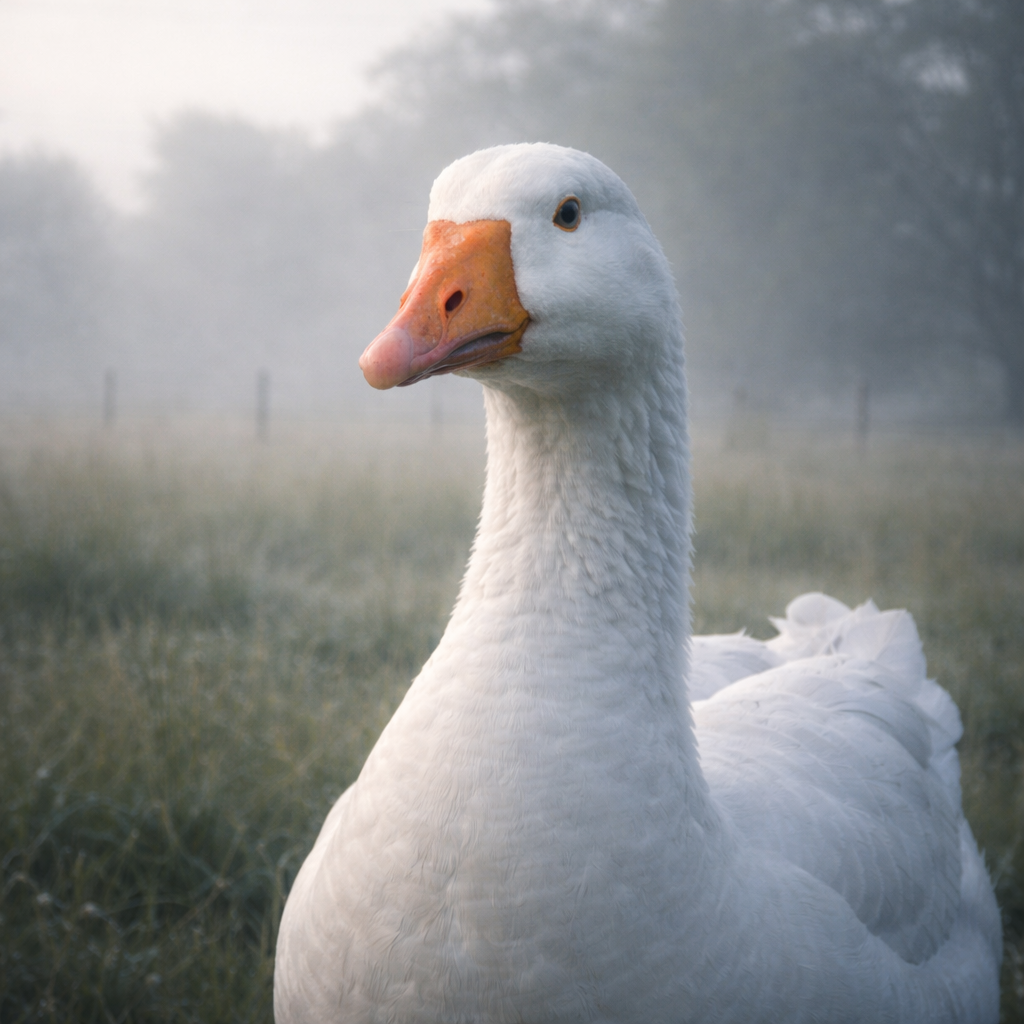
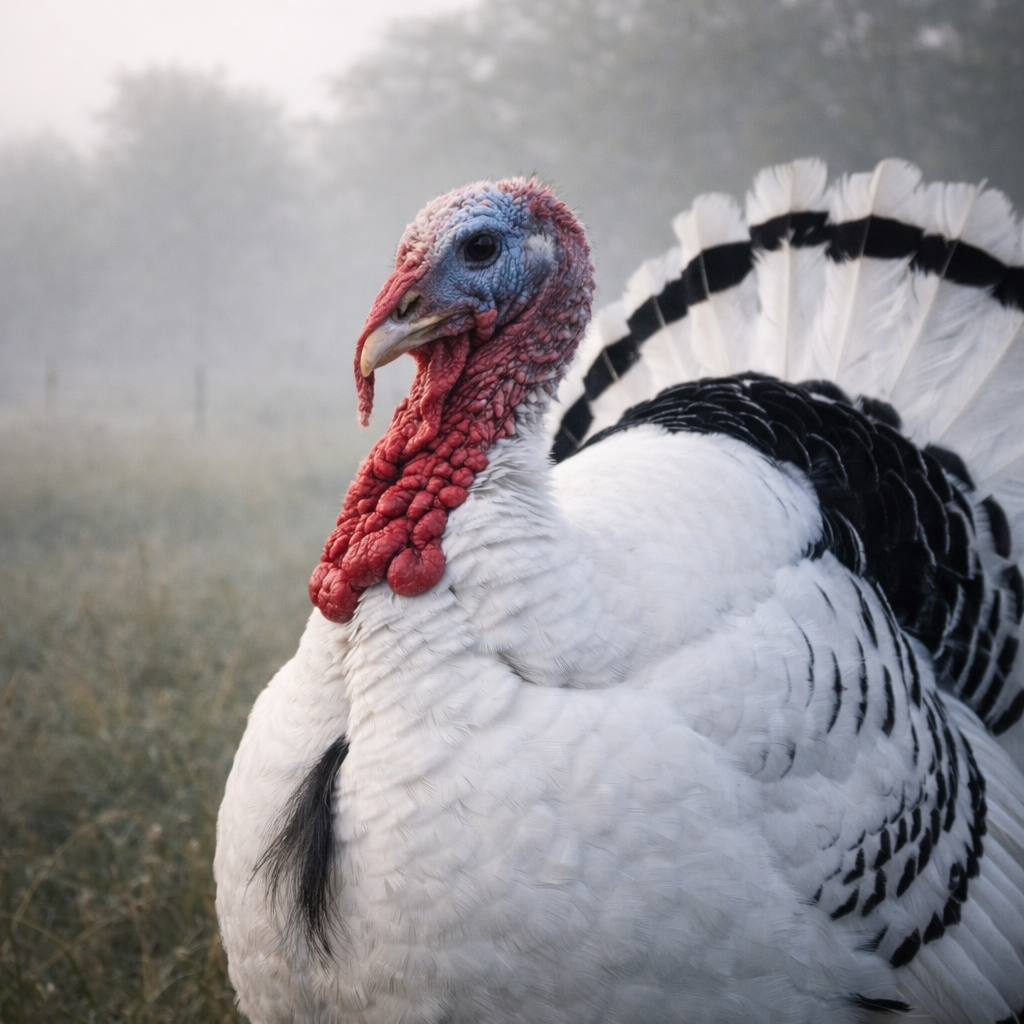
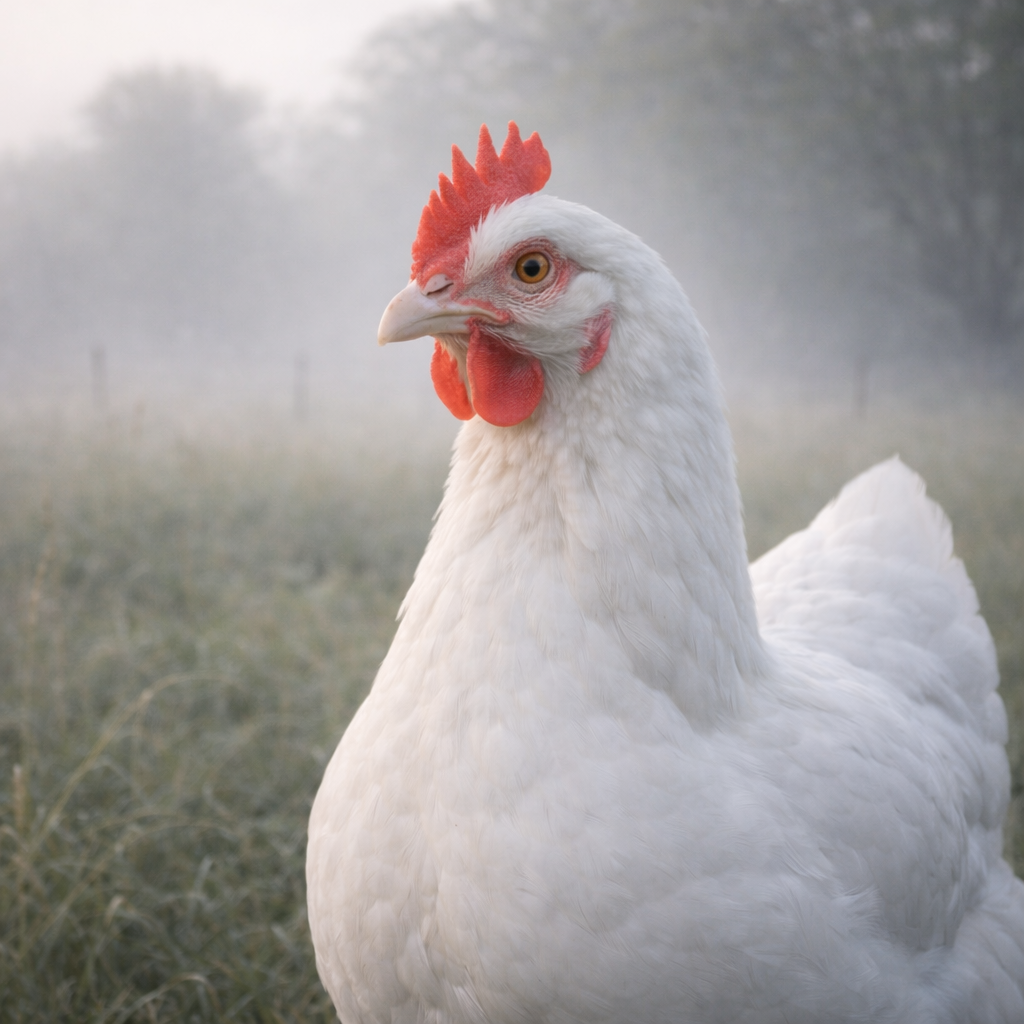
Poultry and waterfowl at Grey Barn Farm are managed in mixed but carefully structured systems that reflect the distinct needs of each species. The farm keeps chickens, Royal Palm turkeys, Rouen ducks, Pekin ducks, and Emden geese, with management approaches shaped by differences in behavior, foraging patterns, water use, and seasonal demands.
Chicken and duck flocks provide eggs for household use, including everyday cooking and baking. Duck eggs, in particular, are favored for breads and pastries, where their higher fat and protein content contribute to improved structure and texture. Egg production is maintained at a practical, steady scale, emphasizing bird health, shell quality, and seasonal rhythm rather than continuous output.
Turkeys and geese are maintained primarily as breeding flocks. Royal Palm turkeys are selected for calm disposition, structural soundness, and reliable reproduction. Emden geese are valued for their strong flock behavior, grazing ability, and consistency as breeders. Across species, breeding decisions prioritize vigor, temperament, and suitability for low-intensity, pasture-based systems.
Housing and pasture access are designed to support natural behaviors such as foraging, grazing, dust bathing, and swimming. Waterfowl are provided appropriate water access without allowing chronic saturation of ground, while upland birds are managed to protect soil structure and ground cover. Movement and rest are used intentionally to limit disease pressure and allow land recovery.
Seasonal management plays a central role in poultry and waterfowl care. During winter, flocks are consolidated, movement is reduced, and emphasis is placed on shelter, footing, and energy balance. Breeding season brings more deliberate separation, monitoring, and space allocation to support mating, nesting, and chick or poult viability. Across seasons, management is adjusted to weather, daylight, and bird condition rather than fixed calendars.
Poultry and waterfowl at Grey Barn Farm are kept as functional members of an integrated farm system. By aligning scale, species choice, and seasonal practices with realistic goals, these birds contribute food, breeding stock, and land use benefits without placing undue pressure on animals or ground.
For those interested in how we care for poultry & waterfowl day to day: We maintain a separate site that documents our poultry & waterfowl routines, housing, feeding, observation, and record-keeping in our own setting. You can read more here.