Cattle
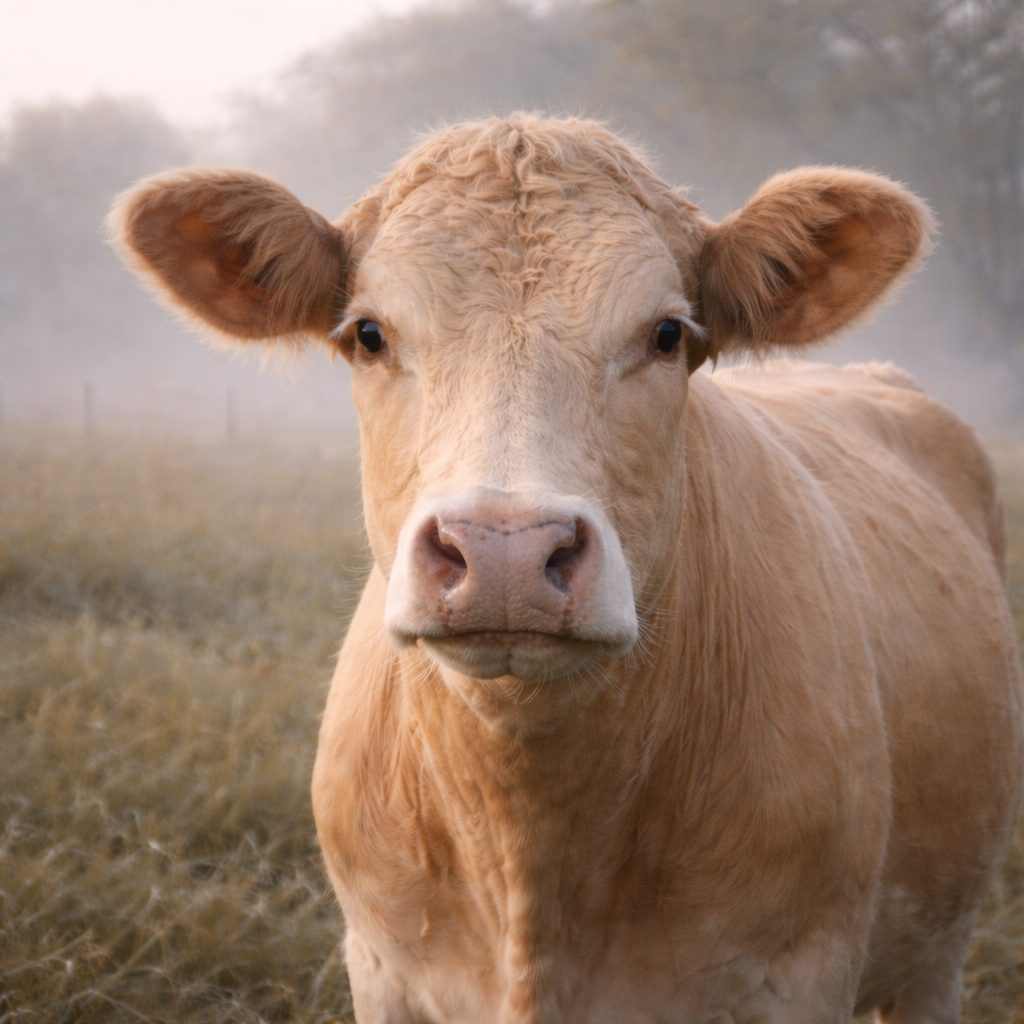
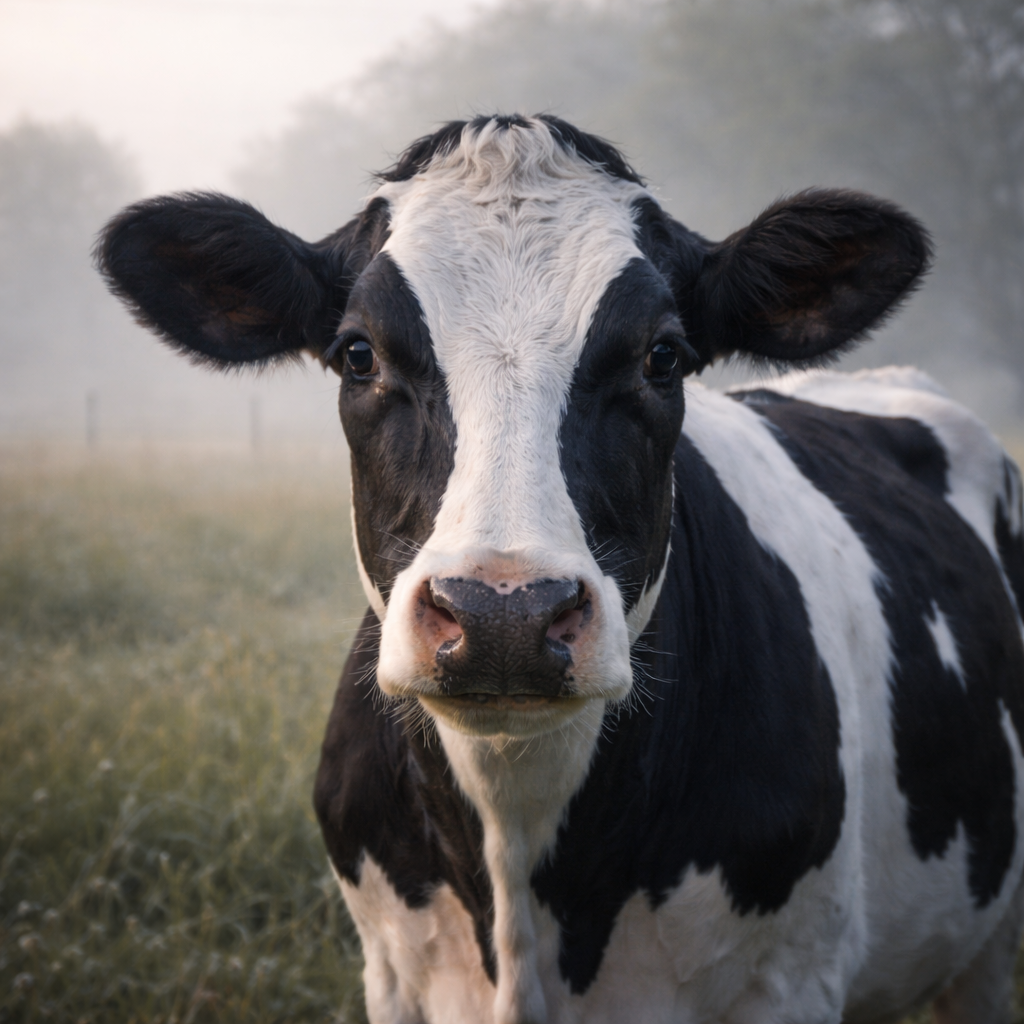
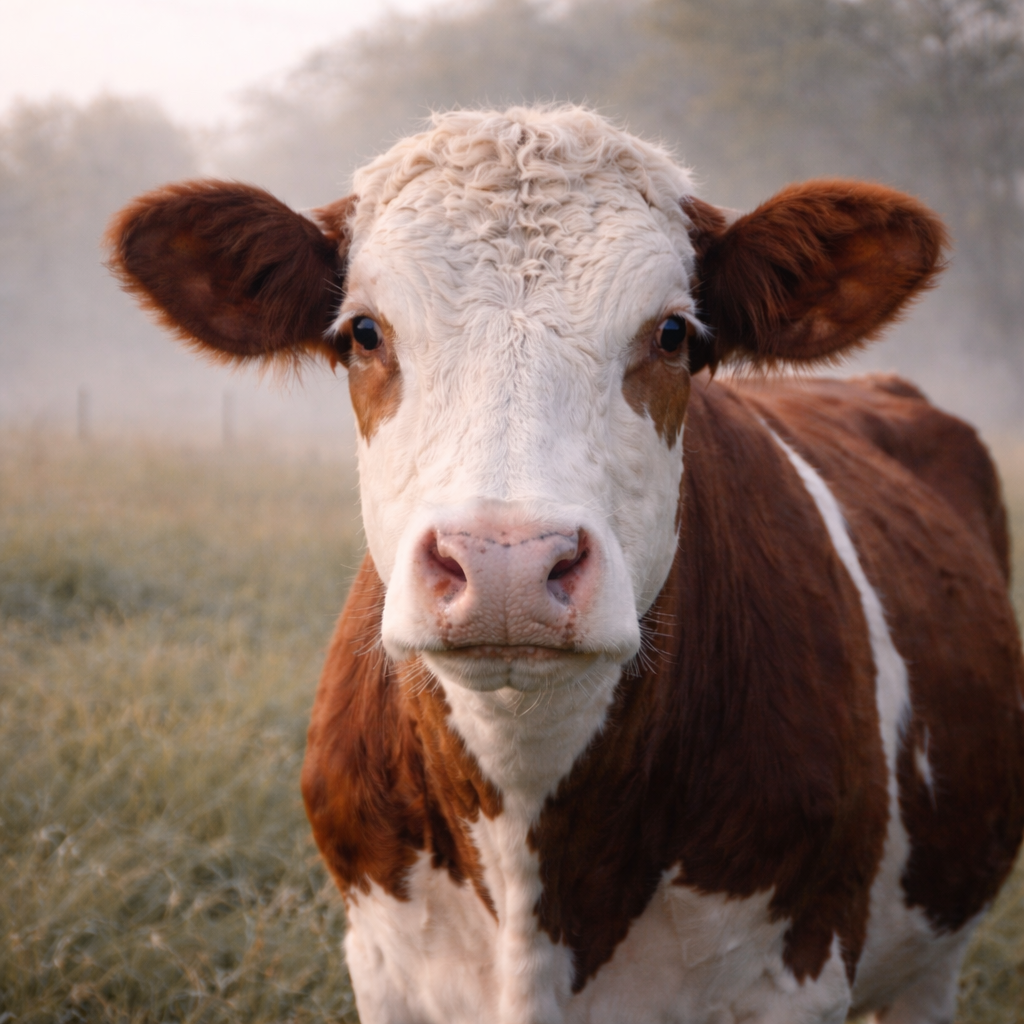
Cattle at Grey Barn Farm are managed as pasture-based animals within a system that prioritizes space, stability, and long-term herd health. The herd is composed primarily of Holstein, Jersey, and Guernsey cattle, with a smaller number of Hereford and Charolais. This mix allows both dairy production and selective breeding while maintaining flexibility across seasons and land conditions.
Stocking density is intentionally low, averaging approximately four to five acres per cow. This level of space supports consistent forage access, reduces pressure on soil and pasture plants, and allows animals to move and graze without crowding. Pastures are managed to encourage recovery and avoid chronic overuse, with adjustments made in response to weather and growth conditions.
Dairy production is small-scale and pasture-centered. Emphasis is placed on animal condition, sound structure, and calm temperament rather than on maximum output. Breeding decisions favor cattle that demonstrate adaptability to grazing systems, maternal reliability, and long-term durability within a low-intervention environment.
Beef-type breeds are integrated selectively, contributing genetic diversity and structural traits suited to pasture systems. Across all breeds, management is shaped by observation and timing rather than by intensive confinement or high-input feeding.
Cattle are treated as active participants in land stewardship. Their grazing patterns influence forage composition and nutrient cycling, reinforcing the connection between herd management and soil health.
For those interested in how we care for cattle day to day: We maintain a separate site that documents our cattle routines, housing, feeding, observation, and record-keeping in our own setting. You can read more here.